Destination
Dooars
Where the Forest Begins
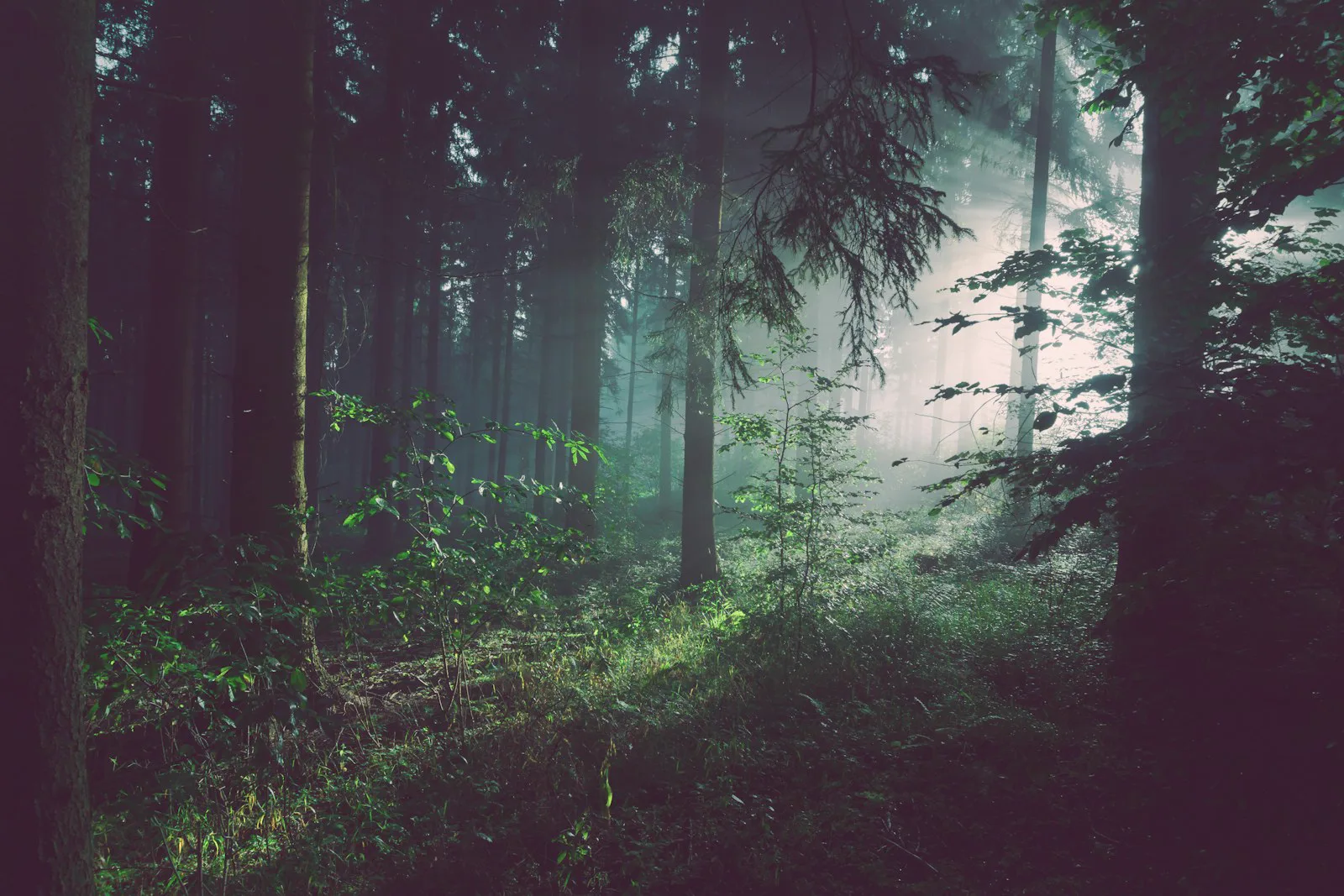
The Dooars is a flat riverine floodplain at the foot of the Eastern Himalayas, a wide green corridor of tea estates, sal forests, and national parks that stretches across North Bengal and into Assam. Most people pass through it on the way to somewhere else. That is their loss.
The word 'dooars' means 'doors' in the local language. This is the doorway into Bhutan and the Northeast. The rivers here come straight off the glaciers: the Torsa, the Jaldhaka, the Raidak. They run cold and clear through forests that hold elephant, leopard, gaur, and the one-horned rhinoceros.
Gorumara National Park and Chapramari Wildlife Sanctuary are among the most accessible wild areas in Eastern India. Jeep safaris at dawn bring you close to animals without the crowds of Kaziranga or Corbett.
But the Dooars isn't only about wildlife. The tea gardens here are some of the most atmospheric in the world: older plantations with bungalows, pluckers in the early morning mist, and a colonial quietness that feels unexpectedly moving.
Highlights
- —Gorumara dawn safari: elephant, rhino, bison
- —Jaldapara National Park jeep ride
- —Tea estate morning walks in Chalsa and Lataguri
- —Torsa river rafting and riverside camping
- —Murti river fishing village
- —Buxa Tiger Reserve forest walk
Quick Facts
- Region
- North Bengal, West Bengal
- Best For
- Wildlife, tea gardens, forests
- Altitude
- 50m – 200m
- Wildlife
- Elephant, rhino, leopard, gaur
- Entry
- No permits required
- From Bangalore
- ~2.5h flight to Bagdogra + 2h drive
The Dooars is best from October to March when the forests are dry, wildlife is visible near water, and the weather is cool and pleasant. Avoid monsoon. The parks close and roads flood.
Winter
November – February
Best for wildlife: animals gather near rivers and clearings. Cool temperatures make walking comfortable. Tea gardens are in their third flush. The whole region feels alive.
Autumn
October
Parks reopen after monsoon. Forests lush and green. Wildlife very active. Good photography light in the mornings.
Spring
March – April
Warm and pleasant before the pre-monsoon heat arrives. Wildlife still visible. Tea first flush beginning. A good shoulder season.
Monsoon
May – September
Parks closed. Roads flooded. Leeches everywhere. The forests are deeply green and the rivers run high, but access is impractical. Not recommended.
Experiences
Gorumara Dawn Safari
4am jeep safari into Gorumara National Park before the light is fully up. Indian one-horned rhinoceros, gaur, elephant, and if you're quiet and lucky, a leopard in a tree at the edge of a clearing.
Tea Estate Mornings
The Dooars has some of the oldest tea estates in India. Walk through Chalsa or Lataguri at dawn with a local plucking family. The rhythm of the work, the sound of leaves, the mist lifting off the bushes.
River Walks
The Murti, Torsa, and Jaldhaka rivers run cold and fast off the mountains. Walk the riverbanks at dusk, watch the light change, listen to the forest. No itinerary needed.
Village Homestay
Stay with a family in one of the villages between the parks. Meals cooked on wood fire, stories of elephant migrations, children who've never seen a tourist and are curious about everything.
Buxa Forest Trek
Buxa Tiger Reserve has a network of old logging and patrol trails. Walk them with a forest guide who knows the signs: tracks, scat, the broken branches that mean an elephant passed last night.
Sunset at Jhalong
Jhalong is a tiny village on the Jaldhaka river at the Bhutan border. Arrive at 4pm, sit on the riverbank, and watch the mountains turn pink. Nothing happens. It is exactly enough.
Dooars: Where the Forest Begins
Four days in the forests and tea gardens of North Bengal. Two dawn safaris, a tea estate morning, a river afternoon, and nights in a forest bungalow where the elephants walk past.
Day by Day
Arrival in Lataguri
Drive from Bagdogra into the forest corridor. Stop at the Murti river on the way. Arrive at the forest bungalow before dark.
- ·Bagdogra pickup
- ·Murti river stop
- ·Forest bungalow check-in
- ·Evening nature walk
- ·Dinner under the stars
Gorumara Safari
4am start for the Gorumara jeep safari. Rhino, elephant, gaur. We spend three hours inside the park. Afternoon: tea estate walk at Chalsa.
- ·4am Gorumara jeep safari
- ·Wildlife photography
- ·Breakfast at the bungalow
- ·Chalsa tea estate walk
- ·Tea plucking experience
Jaldapara & Rivers
Morning safari at Jaldapara, home to the highest density of one-horned rhinos in West Bengal. Afternoon on the Torsa riverbank.
- ·Jaldapara wildlife sanctuary safari
- ·Rhino spotting
- ·Torsa riverside lunch
- ·Jhalong village at sunset
Slow Departure
One last morning walk in the forest before the drive back to Bagdogra. The trees look different on the way out.
- ·Final forest walk
- ·Village market visit
- ·Drive to Bagdogra
- ·Departure
4 Days / 3 Nights
₹24,000 – ₹32,000 per person
4–8 people
October–February
What's Included
- ✓Forest bungalow accommodation (3 nights)
- ✓All meals
- ✓Local naturalist guide
- ✓Both national park safari fees
- ✓Transportation from/to Bagdogra
- ✓All entry permits
No commitment. We'll answer your questions first.
From people who've traveled Dooars with us
“I had no idea the Dooars existed. Now I can't stop thinking about going back. The dawn safari changed something in me.”
Karthik, Bangalore
Dooars Journey, December 2023
“Simplest journey, deepest impact. Forests, rivers, tea, elephants. Nothing wasted, nothing missed.”
Divya, Chennai
Dooars Journey, January 2024
Common Questions
Planning a Dooars Trip
What is the best time to visit the Dooars?
November to April is the prime season for a Dooars wildlife trip, when the forests are open and animal sightings at Gorumara and Jaldapara are at their best. The cool, dry winter months offer the most comfortable safaris and the clearest views of the one-horned rhino. The national parks close during the monsoon, roughly mid-June to mid-September, for the breeding season, so plan your visit outside that window.
Which wildlife can I see in the Dooars?
The Dooars is best known for the Indian one-horned rhinoceros at Gorumara and Jaldapara, alongside wild elephants, gaur (Indian bison), deer, and an exceptional variety of birdlife. Leopards are present though elusive. Early-morning jeep safaris and the famous elephant-back rides at Jaldapara offer the best chances, set against tea gardens, riverine grasslands, and the foothills of Bhutan.
How many days do I need for a Dooars trip?
Two to three nights is ideal for the Dooars, giving you time for safaris at both Gorumara and Jaldapara, a visit to a tea garden, and an unhurried pace between the forest lodges. The Dooars pairs beautifully with Darjeeling or a Bhutan entry through Phuentsholing, so many travellers fold it into a longer Eastern Himalayan journey.
Do I need a permit for Dooars safaris?
Indian nationals do not need any special travel permit for the Dooars region. Entry permits and jeep safari bookings for Gorumara and Jaldapara national parks are arranged by your operator, as safari slots are limited and must be reserved in advance. ClearEast Trip handles all park entries, safari permits, and timings so you simply turn up for your morning game drive.
How much does a Dooars wildlife trip cost?
A Dooars journey is priced per person and varies with group size, season, and the number of safaris included. Our pricing covers forest lodge accommodation, daily breakfast, transfers, and safari coordination. Safari jeep and park entry fees are typically billed separately as they are fixed by the forest department. Message us on WhatsApp with your dates for a clear, all-in quote.
Ready to plan?
Most journeys begin with a 10-minute conversation.
Tell us where you want to go, when, and who is coming. We handle everything from there.
We usually respond within a few hours.