Private tripCulture & villages4N / 5D

Mizoram Highlands
- Aizawl 2N · Champhai 1N · Aizawl 1N
- Your dates · private car
₹31,000pp · ₹62,000 for 2
The Hills Nobody Expects
From₹19,000per person
Every trip shows its route, nights and price before you message us
Private tripCulture & villages4N / 5D₹31,000pp · ₹62,000 for 2
Your own Mizoram route
We plan it for you
Tell us the days and who's coming; we send a written plan and price.
Private trip prices are per person for 2. Group trip prices are per seat on fixed dates.
Best Good Avoid
October to March is the most comfortable window. The hills are clear, Phawngpui is accessible, and the rains have passed.
Winter · Dec – Feb (best)
Cool and dry. Phawngpui rhododendrons begin to bloom in February. Excellent visibility from hilltops. Christmas celebrations in Aizawl are unusually warm and communal.
Spring · Mar – May (best)
Rhododendrons in full bloom on Phawngpui. Warm but not hot. The best window for the Blue Mountain hike. Reiek festival in March.
Monsoon · Jun – Sep (good)
Heavy rain. The hills are extraordinarily green. Road travel becomes more difficult. Vantawng Falls is at its most dramatic. For those who don't mind the rain, the landscape is at its most vivid.
Autumn · Oct – Nov (best)
Post-monsoon clarity. Everything is green, the roads are good, and the hills are uncrowded. An excellent time for Phawngpui and Palak Dil before the winter chill.
01
The trek to Phawngpui's summit at 2,157 metres passes through rhododendron forests that bloom in shades of red, pink, and white from February through April. The summit view on a clear day extends to Myanmar. The mountain is named 'Blue' because it turns that colour in the late afternoon haze from the Aizawl valley.
02
Every Thursday, the Bara Bazar in Aizawl takes over a network of staircases and alleyways on the hillside. Mizo women sell handwoven textiles, bamboo crafts, dried fish, and local vegetables. You can buy a traditional Mizo puan shawl here, then have coffee in a nearby café and watch the city operate on its hill.
03
A reconstructed traditional Mizo village at the base of the Reiek hill. Old morung (community halls), traditional homes, bamboo crafts. A local guide explains the meaning of the carved animal symbols on the house fronts. Climb the hill after. The view of the valley below is worth it.
04
Mizoram's highest waterfall drops 229 metres in a single fall through dense jungle. A short trail leads to a viewpoint. The sound reaches you before the water does. In monsoon, the mist is thick enough to walk through.
05
Near the Myanmar border, this remote lake sits in a crater-like depression surrounded by dense forest. Getting here requires a full day's journey. Very few visitors come. Local fishermen cast nets from wooden boats, the only movement on the water. The fish they pull are ones you won't find named on any restaurant menu.
06
On Thursday or Sunday evenings, the Presbyterian and Baptist churches in Aizawl hold choir practice. The harmonies are four-part, arranged for human voice alone, learned from the Welsh missionaries and refined over 130 years until they sound like nothing the missionaries ever intended. Most congregations welcome respectful visitors. The music is unlike anything you'll hear at a 'cultural performance'.
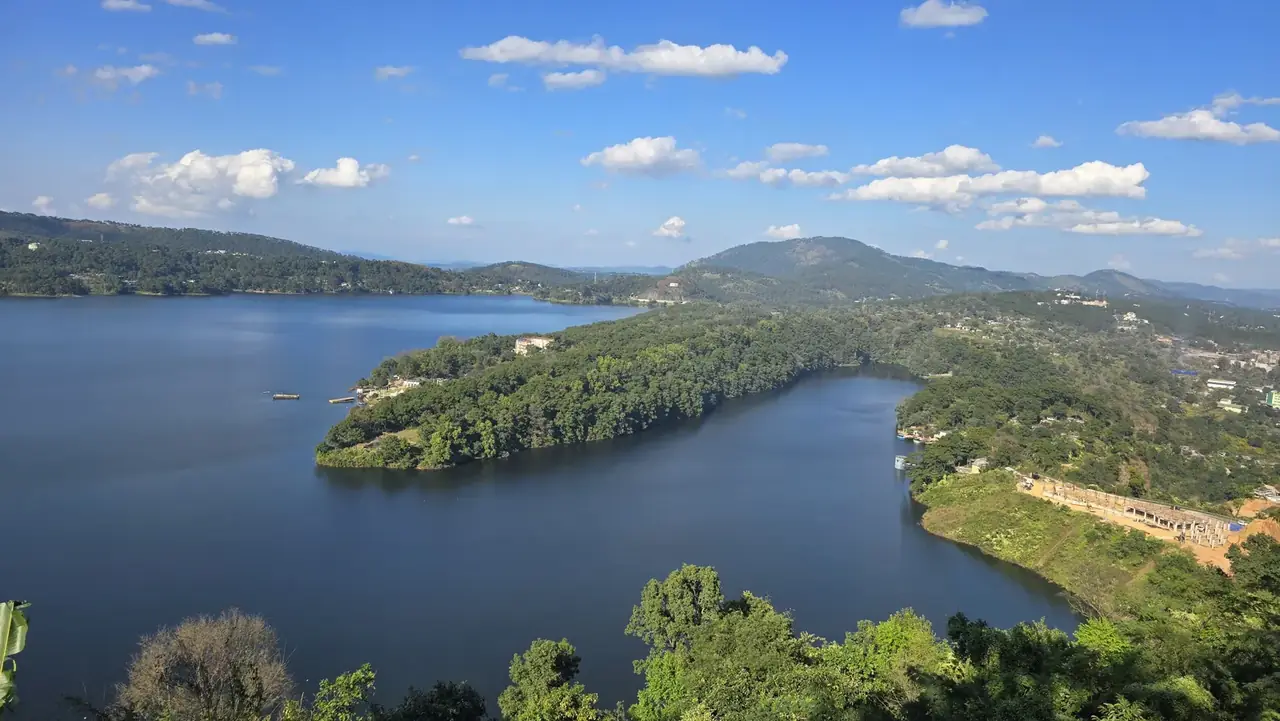
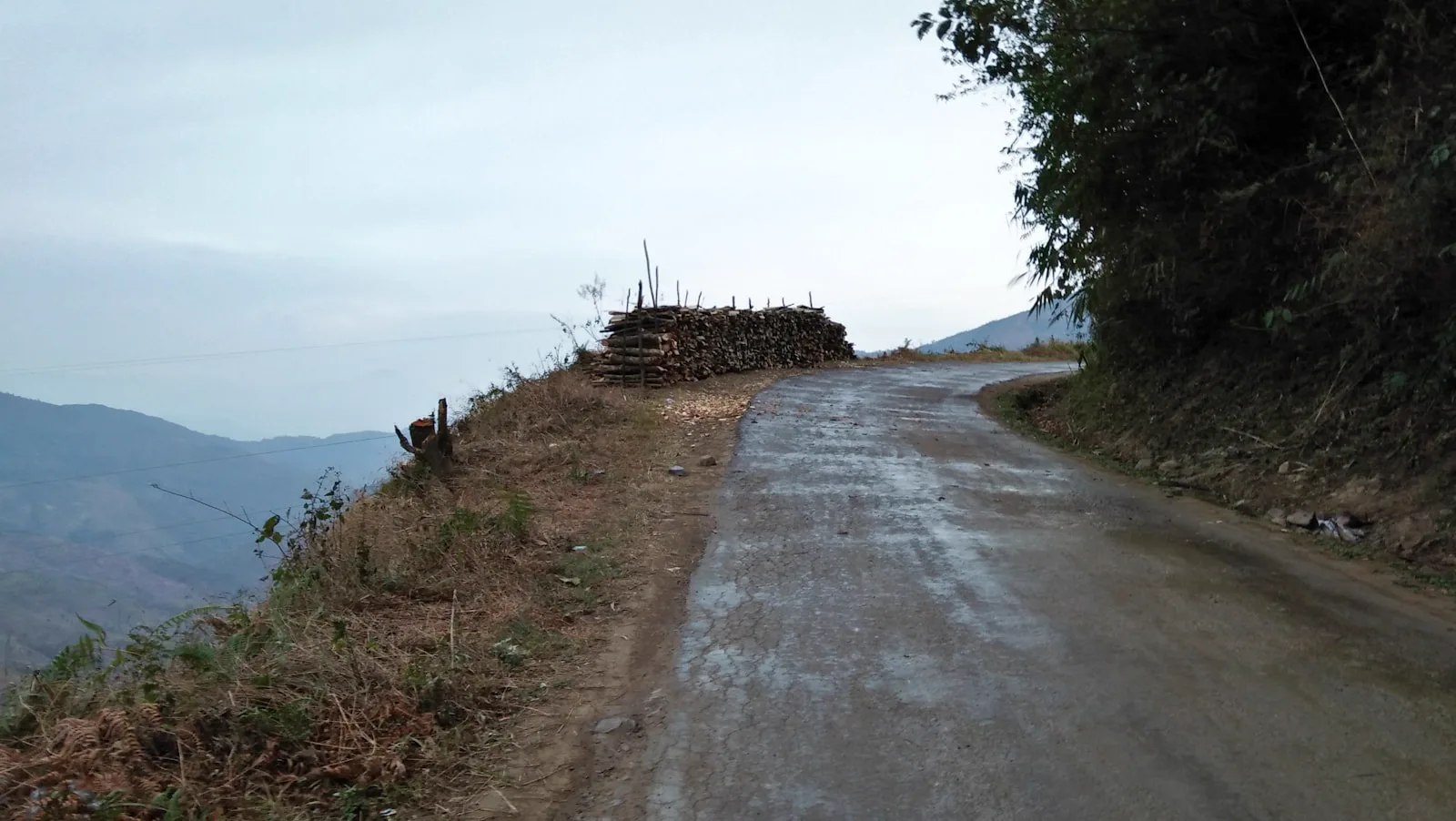
Mizoram is the state that nobody books and nobody forgets. It occupies a narrow strip of the Northeast India map bordered by Bangladesh, Myanmar, and Assam, and it feels unlike all of them. The hills are gentler here, the towns are cleaner, and the pace of life has a deliberateness that is rare in India. People wave at strangers. Villages are orderly. The roads are good.
Aizawl, the capital, is built vertically on a ridge. Buildings stack up the hillside for 800 metres. The city has coffee shops with good espresso, church choirs that practice on Thursday evenings, and a weekly flea market where you can buy handwoven Mizo shawls alongside Korean instant noodles.
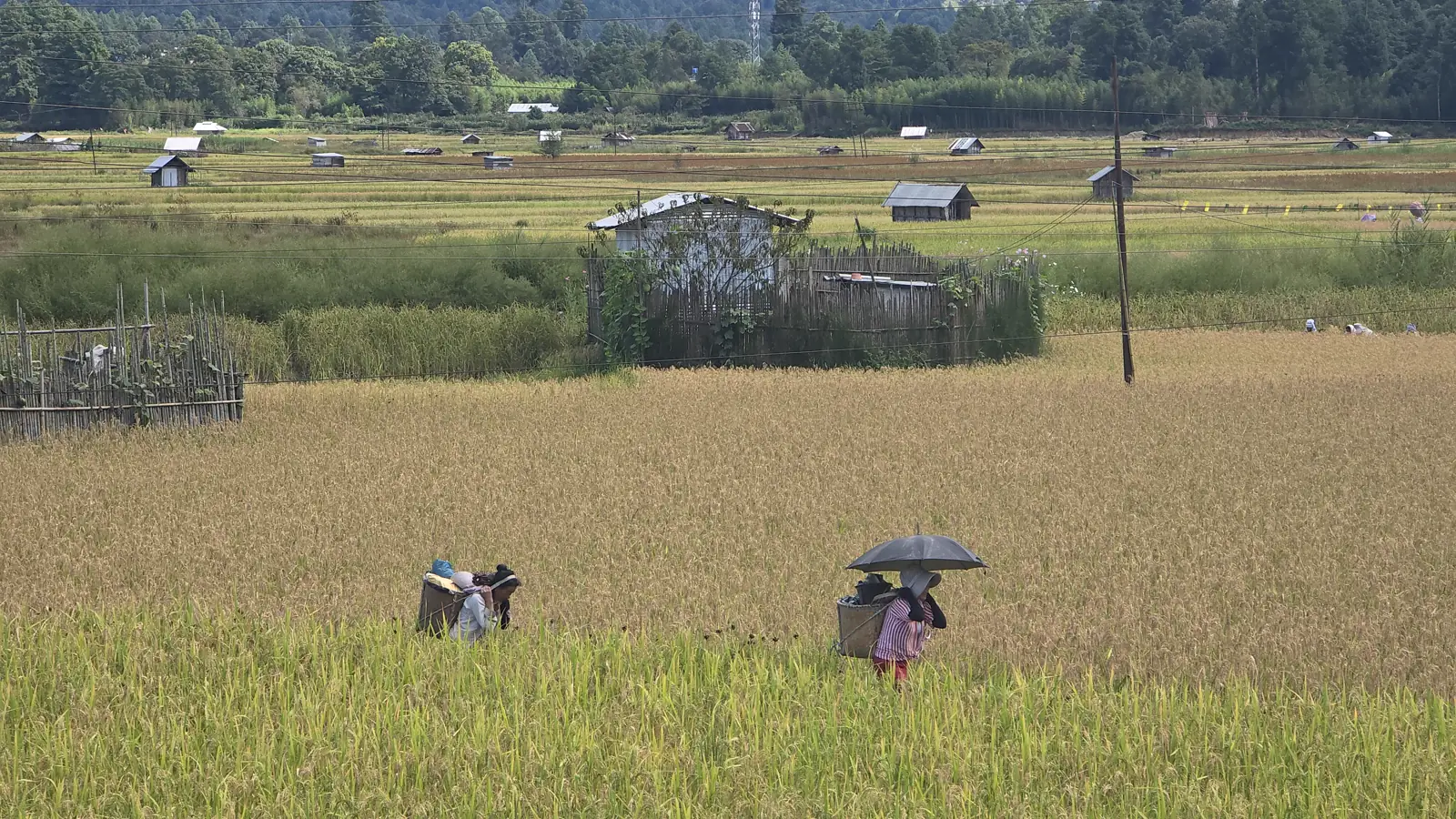
The Mizos are largely Christian, Baptist and Presbyterian, following a conversion that began with Welsh missionaries in 1894. The change was rapid and total: within forty years, Mizoram had the highest literacy rate in the Northeast. The cultural shift is visible everywhere, and it coexists peacefully with older Mizo traditions of music, communal work, and forest knowledge.
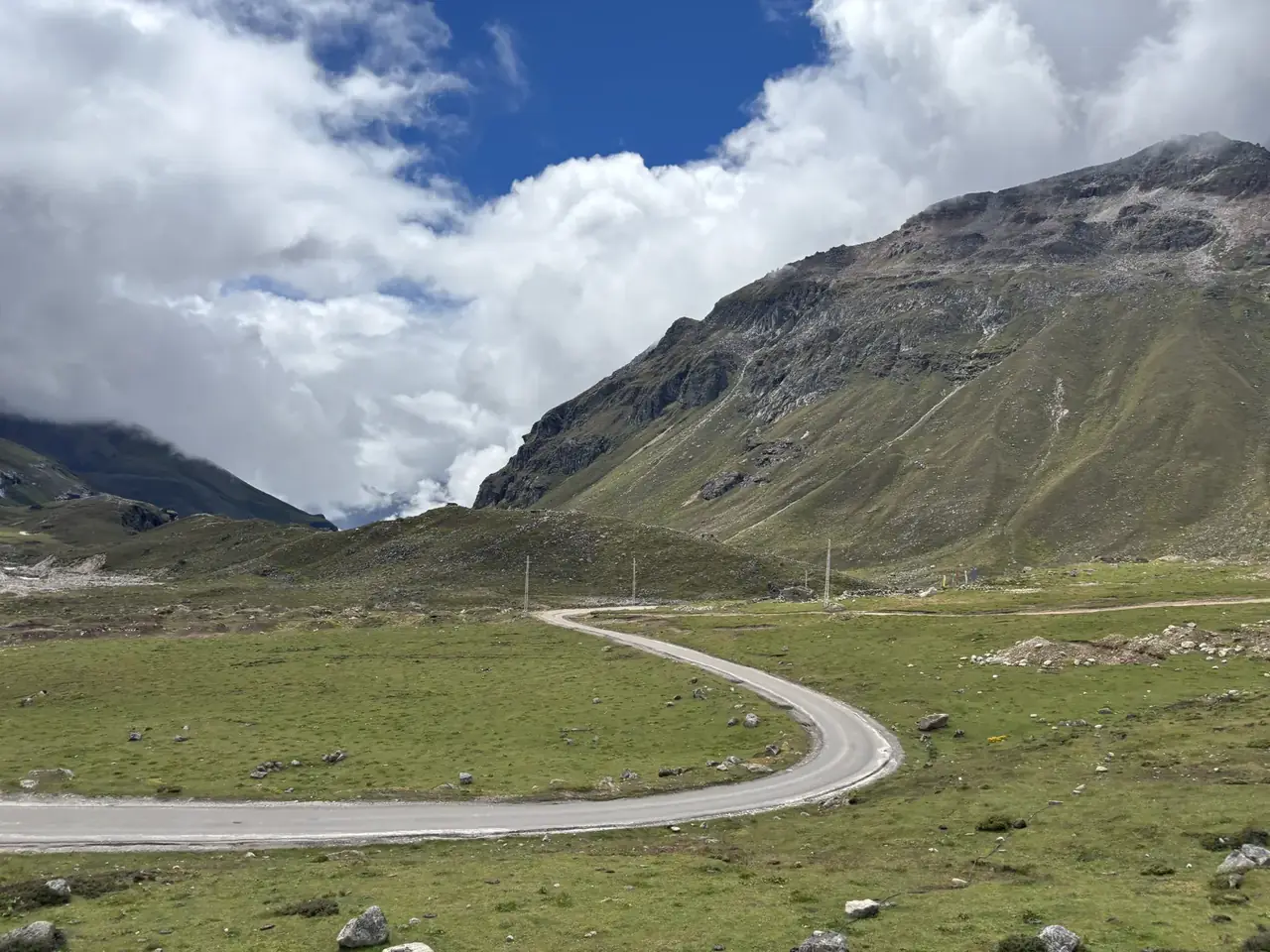
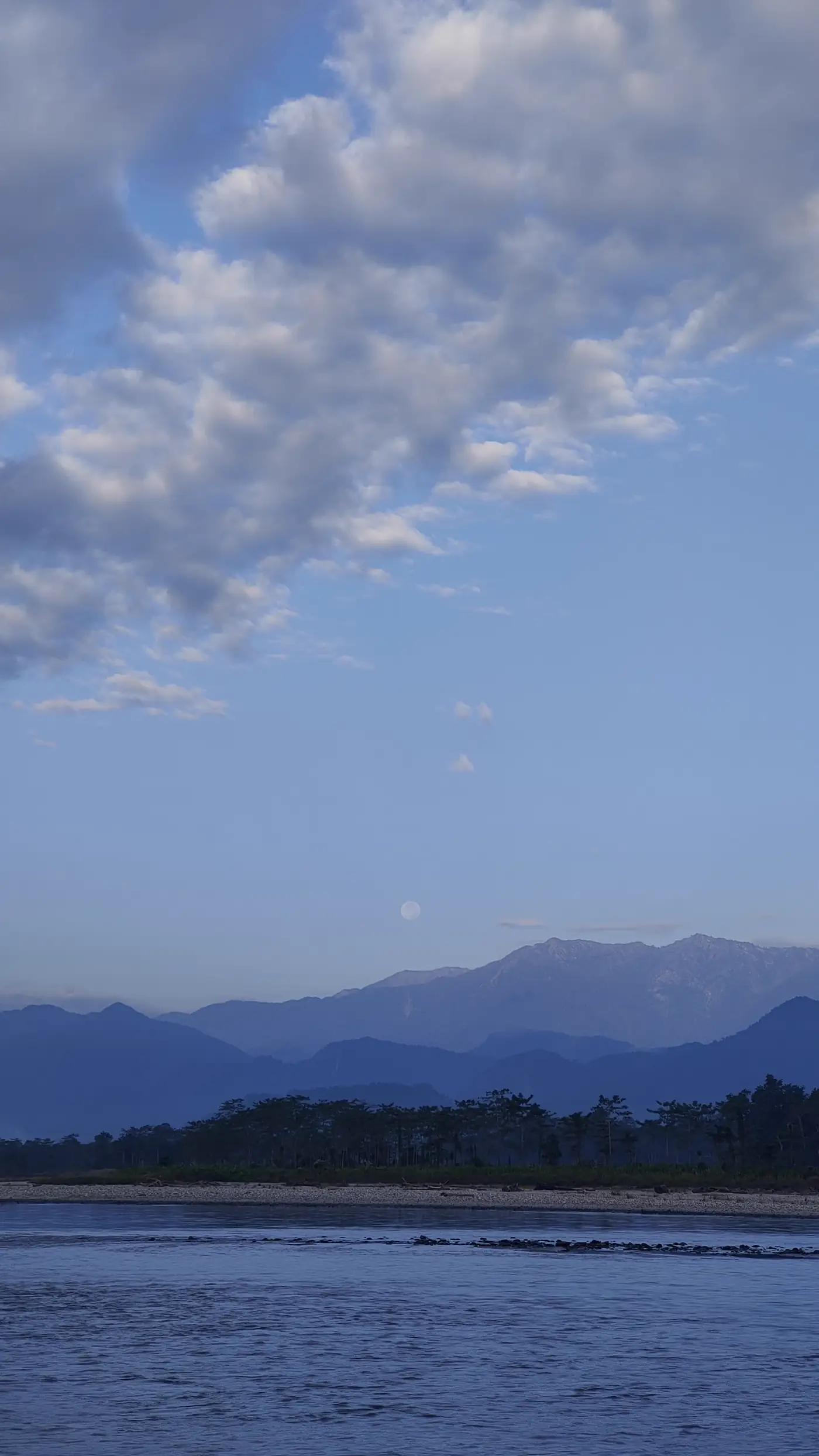
The landscape beyond Aizawl is where the journey opens. Phawngpui, the Blue Mountain, is Mizoram's highest peak at 2,157 metres and the site of some of the state's best rhododendron forests. The Palak Dil lake near the Myanmar border is one of India's most remote ecosystems, rarely reached and largely intact.
October to March is the best time for a Mizoram trip, with clear, dry weather ideal for trekking Phawngpui, the Blue Mountain, and exploring the rolling hills. The cool winter months offer the sharpest views and the most comfortable hiking. The Chapchar Kut spring festival in early March is a wonderful cultural highlight. Avoid the heavy monsoon from May to September, when the steep hill roads become difficult.
Yes. Indian nationals require an Inner Line Permit to enter Mizoram. ClearEast Trip arranges your ILP in advance from your ID documents, so it is ready before you travel. The permit is checked on arrival in Aizawl. As one of India's least-visited states, Mizoram rewards travellers who plan ahead, and we handle the permit so you do not have to.
Mizoram is for travellers drawn to genuinely off-the-map places: the trek up Phawngpui Blue Mountain, the highest peak in the state and home to rare orchids and birds, the hilltop capital Aizawl, traditional Mizo villages, and Vantawng Falls. It is a quiet, deeply cultural destination with little tourism infrastructure, which is precisely its appeal for those who want the road less travelled.
Five to seven nights suits Mizoram well, given the slow hill roads and the time needed to reach Phawngpui in the remote southeast. A week lets you combine Aizawl, the Blue Mountain trek, and village stays at an unhurried pace. Mizoram is not a destination to rush; the distances are real and the rewards lie in slowing down to its rhythm.
A Mizoram journey is priced per person and depends on group size, season, and trip length. Our pricing includes the Inner Line Permit, accommodation, daily breakfast, transfers, and local guides who know this little-visited state intimately. Private trips for 2 to 6 keep it personal. Message us on WhatsApp with your dates for a transparent, all-in quote with the permit handled.
Reviews on Google · Read them all →
★★★★★
“Spoke with ClearEast trip team. It was just wow, they are best if anyone planning for bhutan or northeast trip. They don't try to sale. They have guide me step by step and made me understand the complete process for bhutan trip. They hear me out…”
suraj s · Bhutan trip · Google review, Nov 2025
★★★★★
“I booked my Sikkim trip with Cleareast Trip, and it was one of the best travel experiences I’ve ever had! The entire tour was perfectly planned — right from Gangtok to Tsomgo Lake and Nathula Pass. The hotels were clean and comfortable.”
Soniya Mangar · Sikkim trip · Google review, Aug 2025
★★★★★
“I recently booked trip through this travel company and everything was perfectly organised from start to finish. The team was helpful responsive and genuinely cared about making our journey smooth and memorable. Hotels transportation and everything…”
Dipankar Deka · Google review, Aug 2025
Most trips start with a ten-minute chat. Tell us where, when and who's coming, and we reply within a few hours.