First Time in Bhutan: What Nobody Tells You
The practical, the unexpected, and the things that actually matter
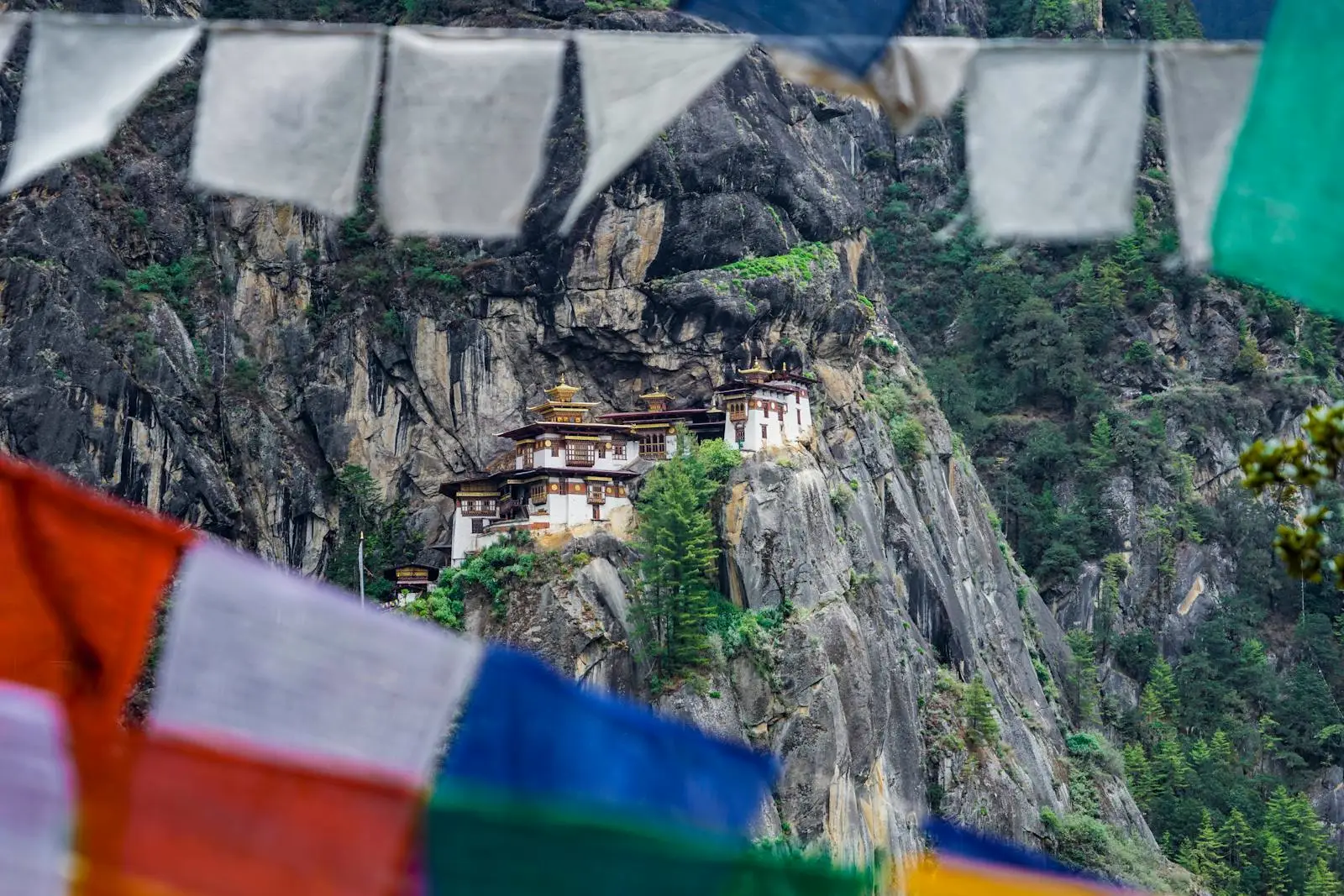
Everyone tells you about Tiger's Nest before you go. Nobody tells you about the silence in Paro valley at 6am, or how cold the nights are even in October.
Everyone tells you about Tiger's Nest before you go. Nobody tells you about the silence in Paro valley at 6am, or how cold the nights are even in October, or why you should always accept butter tea when it's offered even if you're not sure you'll like it (you probably won't, at first).
The SDF: What It Actually Means
Bhutan's Sustainable Development Fee, currently ₹1,200 per day for Indian nationals, is the thing most people ask about before they go. It feels like a barrier. It is, by design. Bhutan has decided that it would rather have fewer visitors who are more committed than many visitors who are less so.
The fee covers some things (accommodation contribution, sustainability fund) but not everything. You still pay for your hotel, food, and guide separately. Think of the SDF as the price of admission to a country that has chosen to protect itself from mass tourism. Once you're there and you see how unspoiled it is, you'll understand why it exists.
“Bhutan is the only country in the world where development is measured in happiness. Everything here is a consequence of that choice.”
The Tiger's Nest Hike: The Reality
It is harder than the photos suggest. The trail gains roughly 400–500 metres of elevation over approximately 4 kilometres from the lower car park. There are chains to help on the steepest sections. There is a point near the top where you climb down into a gorge and back up again, which feels unnecessarily cruel at altitude. And then you arrive.
Arrive early. 7am, before the day visitors. The monastery opens at 8am and the first hour, before the groups arrive, is when you can actually hear the prayer wheels turning and the butter lamps crackling. The view from the monastery wall, looking down at the Paro valley, is one of those views that becomes a reference point for everything else you see afterwards.
The Things Nobody Mentions
The food is excellent. Not luxury-hotel excellent. Simple, fresh, Bhutanese excellent. Ema datshi (chilli and cheese) appears at every meal and earns its centrality. The red rice is nutty and unusual. Fresh vegetable dishes are better than they have any right to be at altitude.
The driving is spectacular and occasionally alarming. Roads in Bhutan are narrow, winding, and spectacular. Your driver will negotiate mountain curves at a pace that suggests considerable experience. He is right to be confident. Trust him.
The monks are not performers. This sounds obvious but it isn't. When you visit a monastery and see monks at prayer or at work, they are at prayer or at work. They are not there for your photography. Ask your guide before approaching anyone for a portrait.
Common Questions
What does Bhutan's Sustainable Development Fee actually cover?
It contributes to accommodation and a sustainability fund, but not everything: hotel, food, and guide are still paid separately. Think of it as the price of admission to a country that has deliberately chosen fewer, more committed visitors over mass tourism.
How hard is the Tiger's Nest hike really?
Harder than the photos suggest. The trail gains roughly 400 to 500 metres over about 4 kilometres from the lower car park, with chains on the steepest sections and a dip into a gorge near the top that feels unnecessary at altitude.
What time should I start the Tiger's Nest hike?
7am, before the day visitors. The monastery opens at 8am, and the first hour before groups arrive is when you can actually hear the prayer wheels and butter lamps rather than other tourists.
Can I photograph the monks at a monastery?
Not without asking first. Monks at prayer or at work are not there for your photography, they're simply going about their day. Always ask your guide before approaching anyone for a portrait.
Bookable journey
Bhutan Highlights
5 Nights · 6 Days · from ₹38,500 per person
Travel here
Plan your Bhutan journey
Land of the Thunder Dragon
Published
February 28, 2025
Most journeys begin with a
10-minute conversation.
Tell us where you want to go, when, and who is coming. We handle everything from there.
Start the Conversation →ClearEast Trip
Typically replies within a few hours