A Dawn Safari in Kaziranga: What to Expect
On entering the park at 5:30am and what the light looks like when a rhino doesn't care about you
The jeep enters the park at 5:30am. The grass is still heavy with dew. Your guide cuts the engine. You wait. Within twenty minutes, you understand why this is the best safari in India.
The jeep enters the park at 5:30am. The grass is still heavy with dew and the light is that particular colour of early morning in Assam, pale gold with blue shadows. The naturalist in the front seat is watching the grassland in a way that suggests he has been doing this for years and still finds it worth watching.
The Rhinos
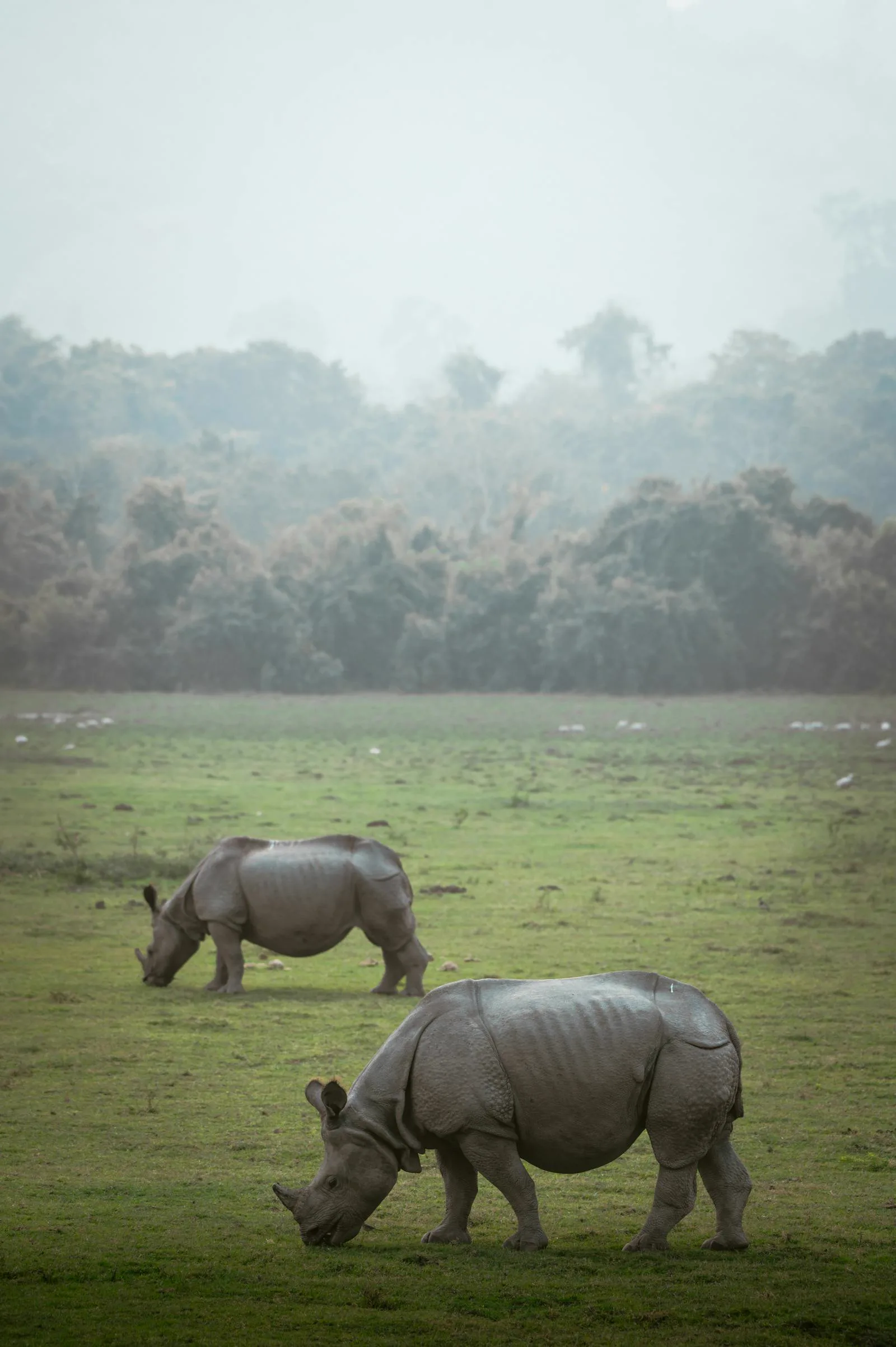
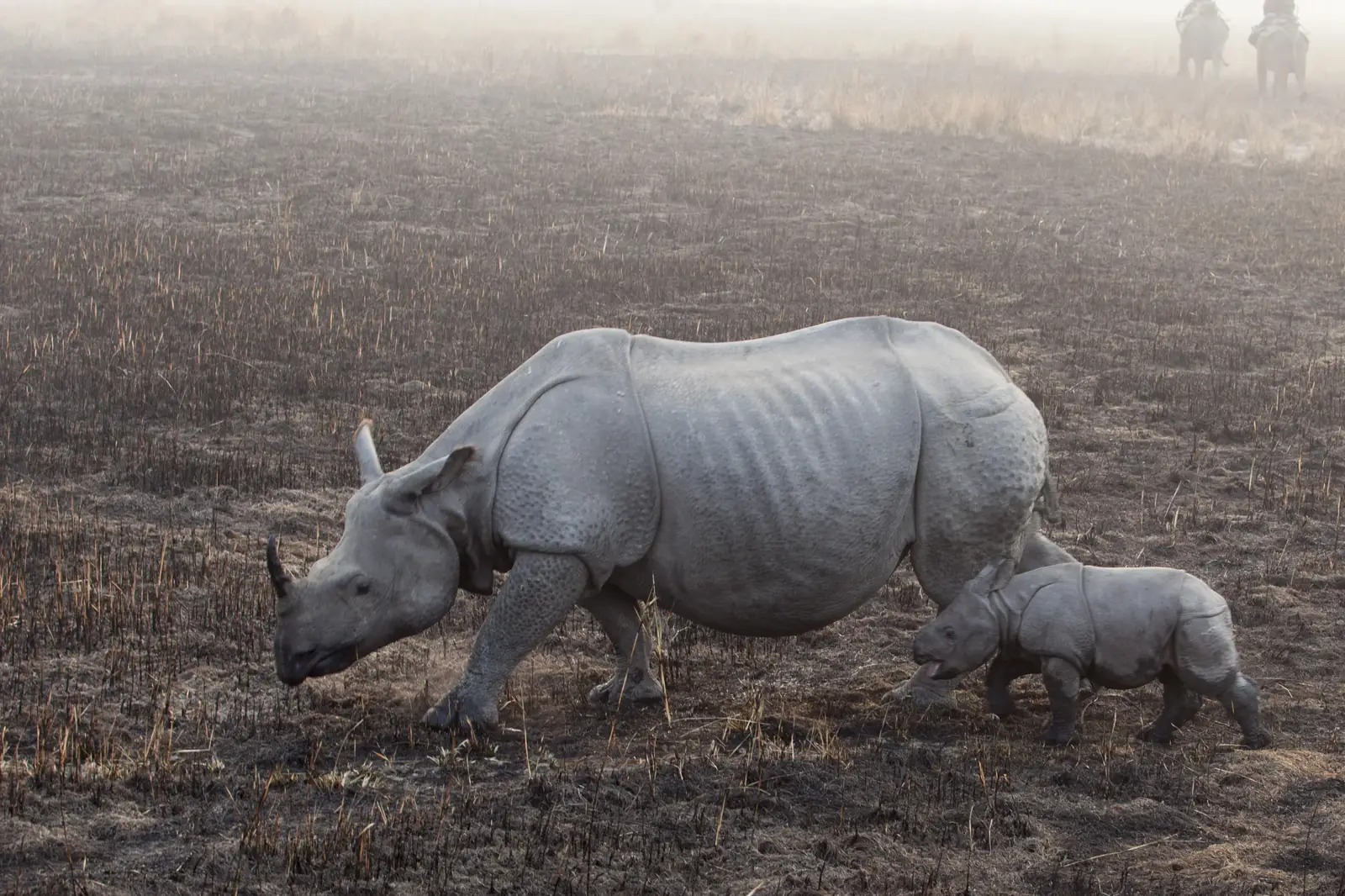
Your first rhino sighting happens faster than you expect. Kaziranga has over 2,600 one-horned rhinos (around two-thirds of the world's entire population), and they are not shy. The one we encountered was grazing in the open grassland 30 metres from the track. The guide cut the engine. We sat for four minutes. The rhino looked up once, decided we were uninteresting, and went back to eating.
That indifference is the memorable thing. The rhino does not perform for you. It exists completely outside your presence. Being near something that large and that indifferent to your existence is one of those experiences that recalibrates perspective in ways that are hard to explain afterwards.
“The rhino looked at us, found us uninteresting, and went back to eating. I found that more moving than anything else on the trip.”
— ClearEast traveller, January 2025
Beyond the Rhinos
Kaziranga is not just about rhinos. The park has the highest density of tigers in any protected area in India, though sightings require patience and luck. Asian elephants move through the tall elephant grass in groups that you'll usually hear before you see. Wild water buffalo graze near the wetlands. Over 480 species of birds inhabit the park. In the forest buffer zone at dawn, the bird calls layer over each other until the sound is almost architectural.
Practical Notes
Two safaris are the minimum: a morning jeep safari and an afternoon elephant safari cover different zones and different wildlife behaviour. The Central Range has the highest rhino density. The Western Range is better for elephants. The Eastern Range is less visited and more forested, worth doing on a longer stay.
Go in December through February. The grass is cut after the monsoon, which means visibility is highest. January mornings are cold but clear. Bring a warm layer for the open jeep at dawn.
Common Questions
What time does a Kaziranga dawn safari start?
The jeep enters the park around 5:30am, while the grass is still heavy with dew and the light is pale gold.
How many rhinos live in Kaziranga?
Over 2,600 one-horned rhinos, around two-thirds of the world's entire population, and they aren't shy about being seen from close range.
Which safari range gives the best chance of sightings?
The Central Range has the highest rhino density. The Western Range is better for elephants. The Eastern Range is less visited and more forested, worth doing on a longer stay.
When is the best time for a Kaziranga safari?
December through February. The grass is cut after the monsoon, so visibility is at its highest, and January mornings are cold but clear.
Bookable journey
Kaziranga & Majuli Explorer
4 Nights · 5 Days · from ₹19,000 per person
Travel here
Plan your Assam journey
Where the Brahmaputra Runs Wide
Published
February 10, 2025
Most journeys begin with a
10-minute conversation.
Tell us where you want to go, when, and who is coming. We handle everything from there.
Start the Conversation →ClearEast Trip
Typically replies within a few hours