Nagaland Hornbill Festival 2026: Complete Planning Guide
Dates, booking timelines, and what nobody tells you about the ten days in December
The Hornbill Festival runs December 1 to 10, 2026, at Kisama Heritage Village, 12 kilometres from Kohima. Accommodation is already filling. Here is everything you need to plan before the good rooms are gone.
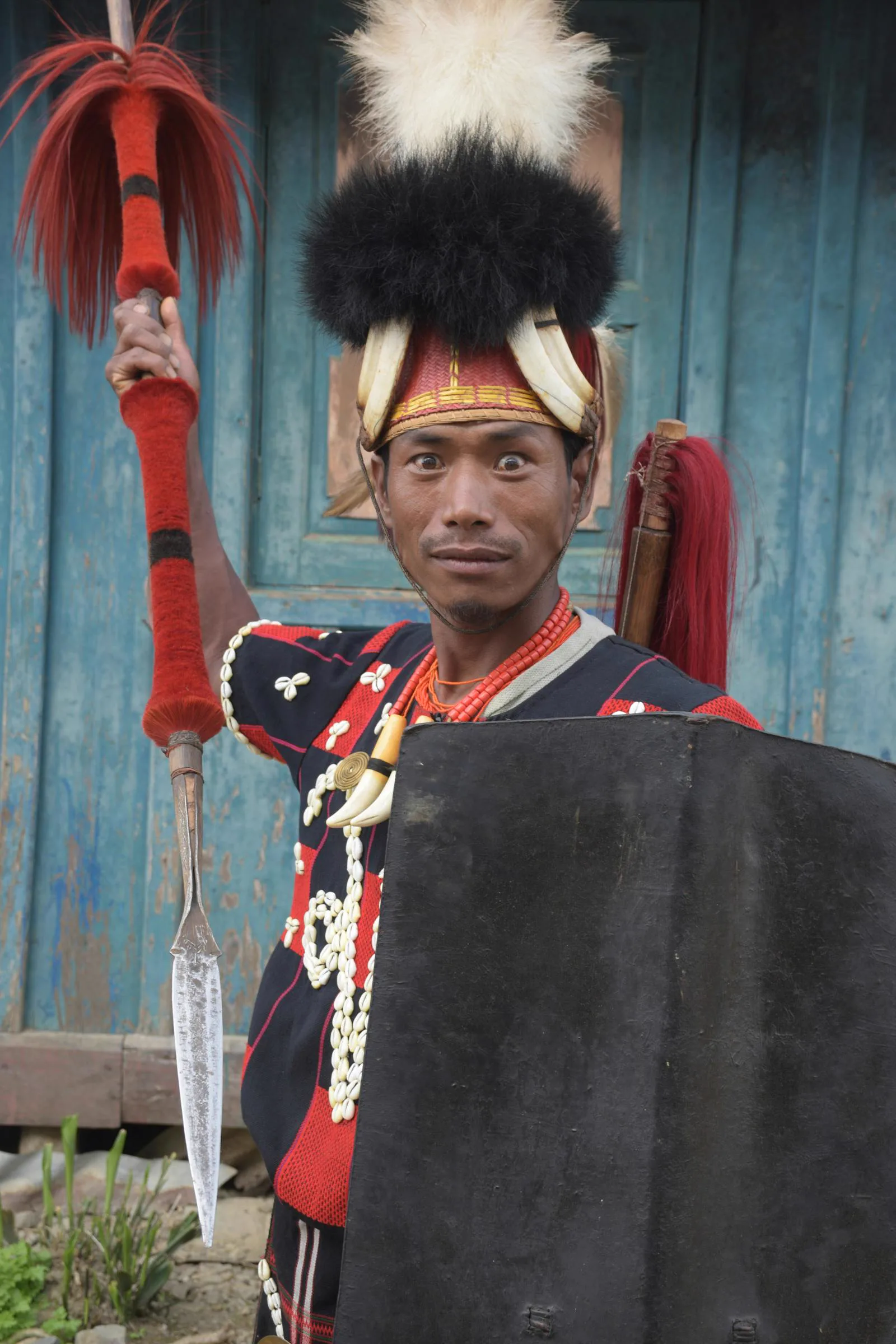
The Hornbill Festival runs December 1 to 10 every year at Kisama Heritage Village, about 12 kilometres outside Kohima in Nagaland. Seventeen Naga tribes set up morungs (tribal huts) at the village, where they perform music, dances, and ceremonies that have no equivalent anywhere else in India. If you are planning to go in 2026, the booking window is now. Kohima hotels fill weeks before the festival opens.
Book Accommodation Before August
This is not a warning. It is a fact from experience. Kohima has a limited number of good guesthouses and hotels, and every December they fill with festival visitors, journalists, photographers, and tour groups. The best rooms at guesthouses close to Kisama go first. If you are reading this in July or August, you still have options. By October, you are looking at whatever is left.
We arrange accommodation for all guests who travel with us to the Hornbill Festival. If you want our preferred guesthouses (quieter, better food, closer to Kisama, with staff who know the festival well), message us before September. We hold rooms through September for groups who confirm.
Getting to Kohima
Dimapur is the closest airport and railhead to Kohima, about 3 hours by road. Flights connect from Kolkata and Guwahati; the Guwahati route is more reliable and has more frequency. From Guwahati, you can also take an overnight train to Dimapur and drive up to Kohima in the morning. This works well as an arrival option, especially if you want to be in Kohima on December 1.
Nagaland requires an Inner Line Permit for all Indian nationals who are not Nagaland residents. The online process is straightforward. We handle all permits for our guests. If you are travelling independently, apply at least three days before you arrive; approvals are usually faster, but December volume can slow things down.
Which Days to Go
If you have 10 days, go for all 10. Most people have 3 to 5. Here is how to think about them. December 1 (opening day) has the most energy and the most ceremony, but also the largest crowds. December 2 and 3 are excellent: the full festival is running, the opening crowd has settled, and the grounds are more navigable. Midweek is usually the calmest. December 9 and 10 have a different energy: closing performances tend to be more charged.
Regardless of when you arrive, plan for at least two full days at Kisama. One day is not enough. The first day you are oriented; the second day you know where to be and when. The morning and afternoon rhythms at the festival are completely different from each other.
Morning vs Afternoon at Kisama
The mornings are for the morungs. Arrive by 9am when the tribal pavilions open. Each morung is staffed by members of that tribe in full traditional dress. This is when conversation is possible, when artisans are working, when food stalls are serving freshly made smoked pork and sticky rice. Midday becomes tourist-crowded. This is when to take a break and eat lunch in Kohima.
The main stage performance starts at 5pm and runs until around 8pm. Tribal dance performances, some with 40 to 50 performers in full ceremonial regalia, go through the evening. The costumes carry real weight: hornbill feather headdresses assembled over weeks, beads worn by lineage, shawls woven in patterns that identify tribe and clan. This is not a cultural show put on for tourists. It is a continuation of something that predates most of the countries in this region.
Beyond the Festival: Kohima and Nagaland
Nagaland in December is worth staying longer than the festival alone. Khonoma village, 20 kilometres from Kohima, is India's first green village, where the community conserved a 70-square-kilometre forest through community decision in the 1990s. It is a half-day from Kohima and a complete contrast to the festival energy: silent, forested, historically significant.
The Dzükou Valley trek starts near Viswema. In December the Dzükou lily flowers are gone, but the high grassland landscape is cold, clear, and unlike anything you will find at lower altitude. A two-day trek with a night at the basic camp gives you something most Hornbill visitors never see: Nagaland above the treeline.
“I thought the festival would be the thing I remembered. Khonoma was the thing I remembered.”
— ClearEast traveller, December 2024
What to Bring
Warm layers, first. Kohima sits at 1,400 metres and December evenings drop to 6–10°C with no heating at the outdoor festival grounds. Comfortable walking shoes matter too: the Kisama site covers considerable ground. Carry some cash for food stalls and direct craft purchases, card machines are unreliable there. And book a local guide. Without one you miss most of what's actually happening: a good guide explains what each ceremony means, introduces you to tribe members, and steers you toward genuine cultural exchange rather than the tourist-facing displays.
Common Questions
When is the Hornbill Festival 2026?
December 1 to 10, 2026, at Kisama Heritage Village, about 12 kilometres outside Kohima in Nagaland.
How far in advance should I book accommodation?
Before September, ideally before August. Kohima has a limited number of good guesthouses and hotels, and they fill weeks before the festival with visitors, journalists, photographers, and tour groups. The best rooms near Kisama go first.
How do I get to Kohima?
Dimapur is the closest airport and railhead, about 3 hours by road from Kohima. Flights connect from Kolkata and Guwahati, with the Guwahati route more reliable and frequent. An overnight train from Guwahati to Dimapur followed by a morning drive up also works well.
Do I need a permit for Nagaland?
Yes. All Indian nationals who are not Nagaland residents need an Inner Line Permit. The online process is straightforward; if travelling independently, apply at least three days before arrival since December volume can slow approvals.
Which days of the festival should I attend?
December 1, opening day, has the most energy but also the largest crowds. December 2 and 3 are excellent: the full festival is running and the grounds are more navigable. Midweek is usually calmest. Plan for at least two full days at Kisama, since one day isn't enough to get oriented.
What's the difference between morning and evening at Kisama?
Mornings are for the tribal morungs, which open at 9am, when artisans are working and conversation is possible. The main stage performances run from 5pm to around 8pm, with tribal dances involving 40 to 50 performers in full ceremonial regalia.
What should I pack for the Hornbill Festival?
Warm layers, December evenings in Kohima drop to 6-10°C with no heating at the outdoor grounds. Comfortable walking shoes for the size of the Kisama site, and some cash, since card machines at food stalls and craft vendors are unreliable.
Bookable journey
Nagaland Tribal Experience
4 Nights · 5 Days · from ₹19,500 per person
Travel here
Plan your Nagaland journey
Seventeen Tribes, One Unbroken Culture
Published
June 29, 2026
Most journeys begin with a
10-minute conversation.
Tell us where you want to go, when, and who is coming. We handle everything from there.
Start the Conversation →ClearEast Trip
Typically replies within a few hours