
 Private tripWildlife4N / 5D

Kaziranga & Majuli Explorer
- Guwahati 1N · Kaziranga 2N · Majuli 1N
- Your dates · private car
₹29,500pp for 2 · ₹19,000 pp for 6
Travel Tips · Assam
The park has been closed since late May. Here's what changes when the gates open, which ranges come back first, and why the good November dates are already going.
By the ClearEast Trip teamJuly 25, 20266 min read
Right now, Kaziranga is closed. It has been since late May, when the Brahmaputra starts rising and the forest department shuts the park to let the floodwater do what it does every year: push the animals to higher ground, submerge the grasslands, and reset the whole ecosystem for the next dry season. This is not a maintenance inconvenience. It is the reason Kaziranga works the way it does. But if you are thinking about a Northeast India trip for this coming winter, the closure is not really the story. The reopening is.
Kaziranga has opened for the season right around October 1 for at least the past several years running, though the official reopening notification for this particular season had not been published yet as we write this. What we do know from following this park closely every year is that it never throws every gate open on day one. The park comes back in phases, because the roads inside it take real damage over a monsoon season and the forest department needs time to check tracks, clear debris, and rebuild the parts that washed out.
The pattern in recent seasons has been consistent: the Central Range at Kohora and the Western Range at Bagori, along with the Burapahar Range, come back first, while the Eastern Range and the more remote tracks stay closed a little longer until the ground firms up. If your heart is set on the Eastern Range specifically, that is the detail to ask about before you book, not after.
We tell people this every year and it still surprises them: October at Kaziranga is not the same experience as November or December, and neither is wrong, they are just different animals of a trip. In October the grass is still tall, sometimes taller than the jeep, because it has had an entire monsoon to grow. You will hear more than you see in the first days. Rhinos move through elephant grass that hides everything but the ears and the horn until you are almost on top of them. It is a different kind of safari, more about sound and movement at the edges of vision than the wide-open sightings people picture.
By November the grass has been cut back in the managed sections, visibility opens up across the floodplain, and this is when the classic Kaziranga photograph happens: a rhino standing alone in short grass with nothing between you and it. Neither month is better. October rewards patience and a good naturalist who knows how to read the grass. November rewards people who want the clearest possible look at the park's headline animal. We ask every guest which one they actually want before we build the itinerary around a date.
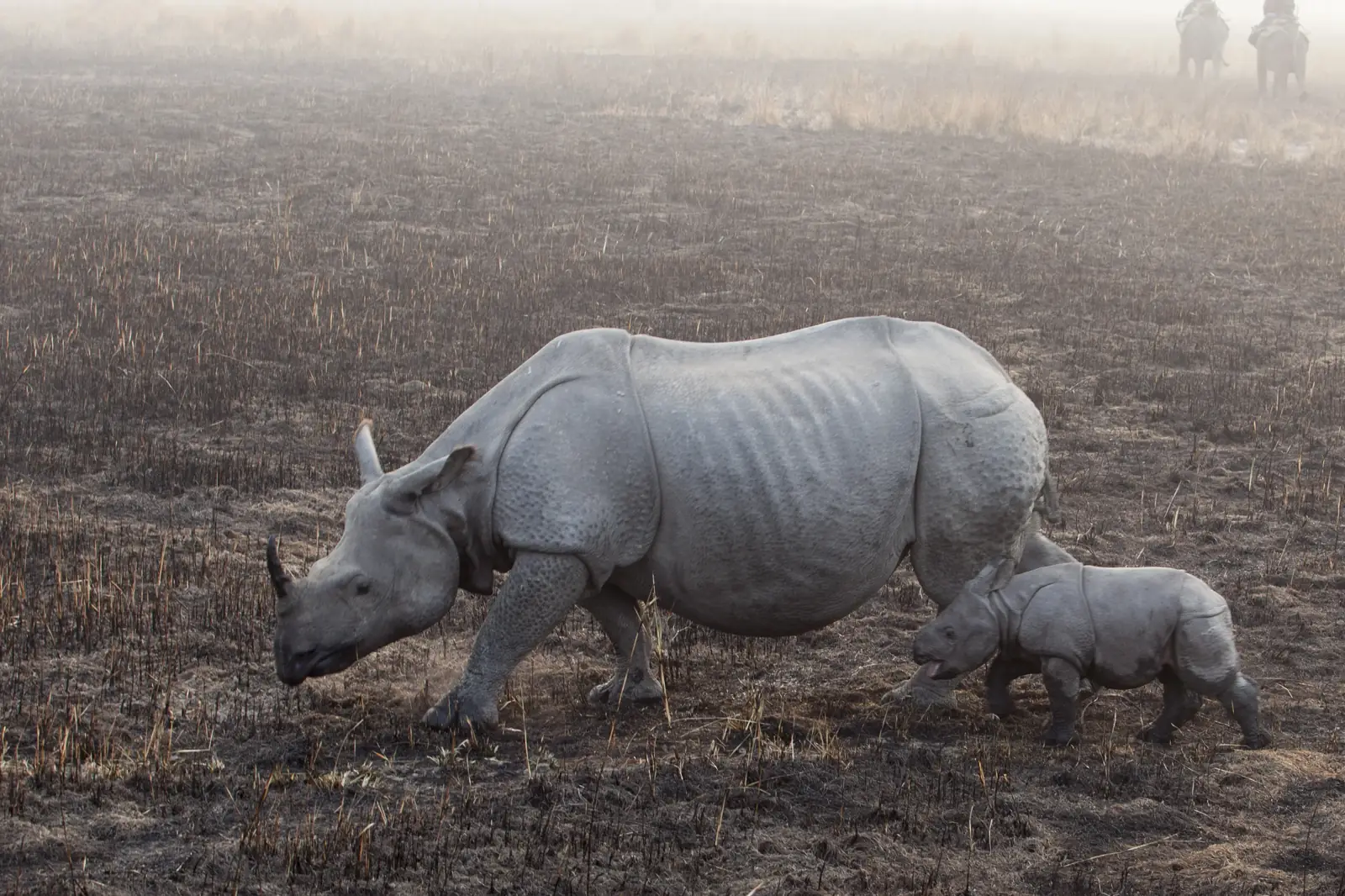
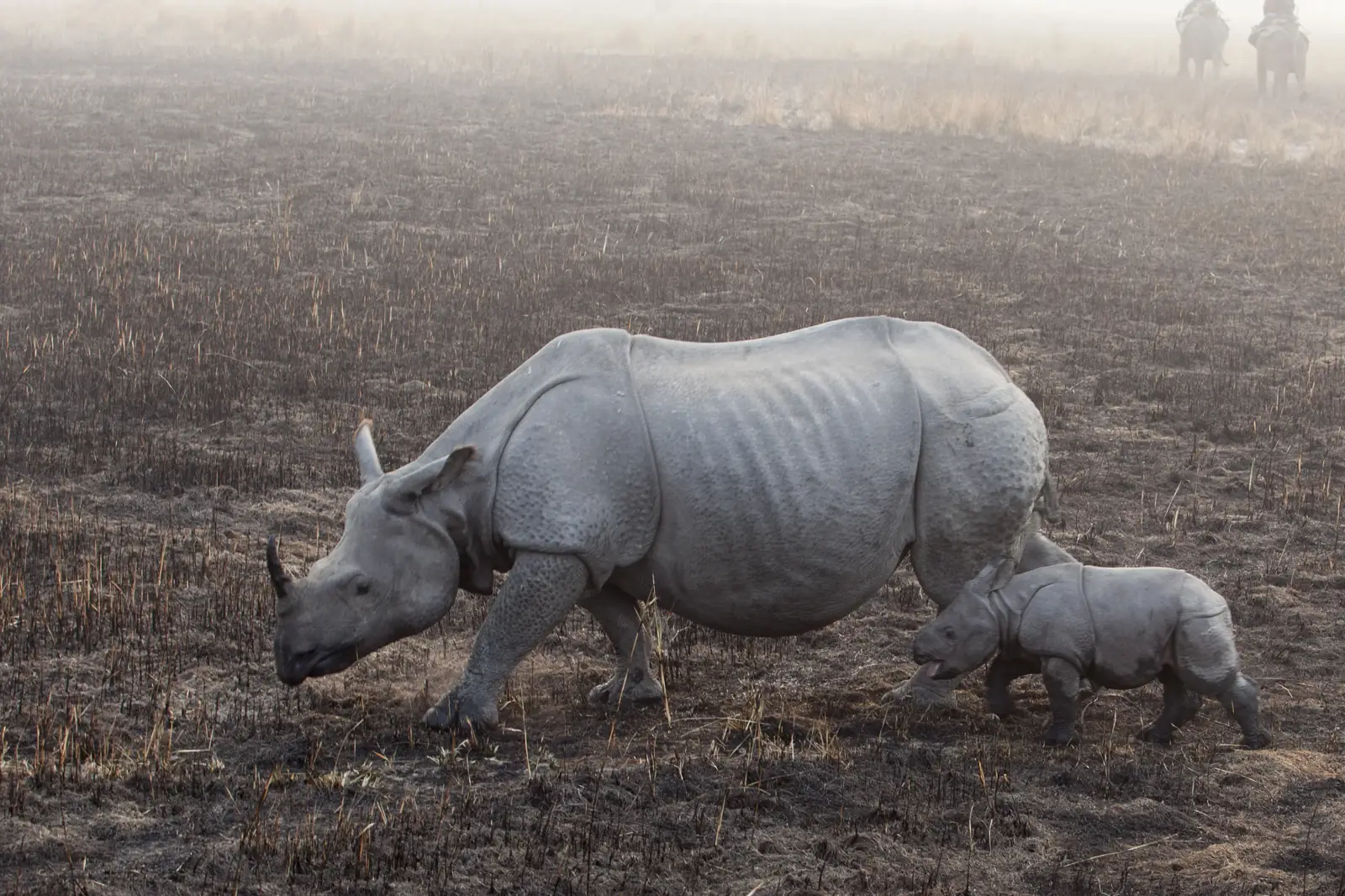
It is worth restating why Kaziranga is worth planning around at all. The park holds roughly two-thirds of the entire world's population of the one-horned rhinoceros, a number that does not really land until you are sitting in a jeep at dawn and your guide points out four or five in a single sweep of the grassland. Guwahati to the Kohora entry point is about four hours on NH37, roughly 190 kilometres, which is close enough that Kaziranga fits naturally at the front or back of a longer Assam and Meghalaya trip rather than requiring its own dedicated flight.
Safaris run in two windows once the park is open, a morning slot that leaves close to dawn and an afternoon slot, and the Central Range at Kohora consistently has the highest concentration of animals of any of the ranges. If wildlife is the entire reason for the trip, Kohora is where we put first-timers.
Here is the part that actually matters if you are reading this now. November safari slots at Kaziranga fill up several weeks in advance every single year, and that has been true across every season we have run trips here. The gap between when the park reopens and when the best jeeps and time slots for the peak weeks of November are gone is shorter than most people expect. If you are thinking about a Kaziranga trip for this winter and you are planning to sort it out in September, you are not early. You are on time for whatever is left.
This is not a scarcity tactic. It is the actual shape of the booking calendar here, the same way hotel rooms in Kohima disappear before the Hornbill Festival. Kaziranga has a limited number of registered jeeps and a limited number of safari slots per range per day, set by the forest department, not by any tour operator's inventory. When those slots are gone for a given week, they are gone.
For a lot of our guests, Kaziranga is not the whole trip, it is three or four days inside a longer Assam and Meghalaya circuit, or an Assam and Sikkim combination. If Kaziranga is part of a bigger plan, the reopening date changes when the rest of the itinerary can start too, because the safari days are usually the anchor everything else gets built around. Getting the Kaziranga dates locked early gives us room to build a properly paced trip around them instead of squeezing everything else into whatever days are left over.
We are not going to tell you exactly which week to pick without knowing what you actually want from the safari, tall grass and quiet edges in October, or open floodplain and easy sightings in November. Tell us roughly when you are free and how many days you have, and we will tell you honestly which window suits the trip you are describing, and whether the dates you want are still realistically open.
Right around October 1, based on the pattern of at least the past several seasons, though the official Assam Forest Department notification for a given year is usually issued closer to the date. The park has been closed since late May for the monsoon.
No. Kaziranga reopens in phases. The Central Range at Kohora, the Western Range at Bagori, and the Burapahar Range typically come back first, while the Eastern Range and more remote tracks stay closed longer while the forest department repairs monsoon damage to the roads.
Yes, meaningfully. In October the grass is still tall from the monsoon, so safaris are more about sound and movement at the edges of vision. By November the grass has been cut back in managed sections and visibility opens up across the floodplain, giving the classic clear rhino sightings most photos show.
The park holds roughly two-thirds of the entire world's population of the one-horned rhinoceros.
November safari slots fill up several weeks in advance every year. Kaziranga has a limited number of registered jeeps and safari slots per range per day, set by the forest department, not by any operator's inventory. Once a week's slots are gone, they're gone.
Go on this trip
Private tripWildlife4N / 5D₹29,500pp for 2 · ₹19,000 pp for 6
 Wildlife
 Festival Guide

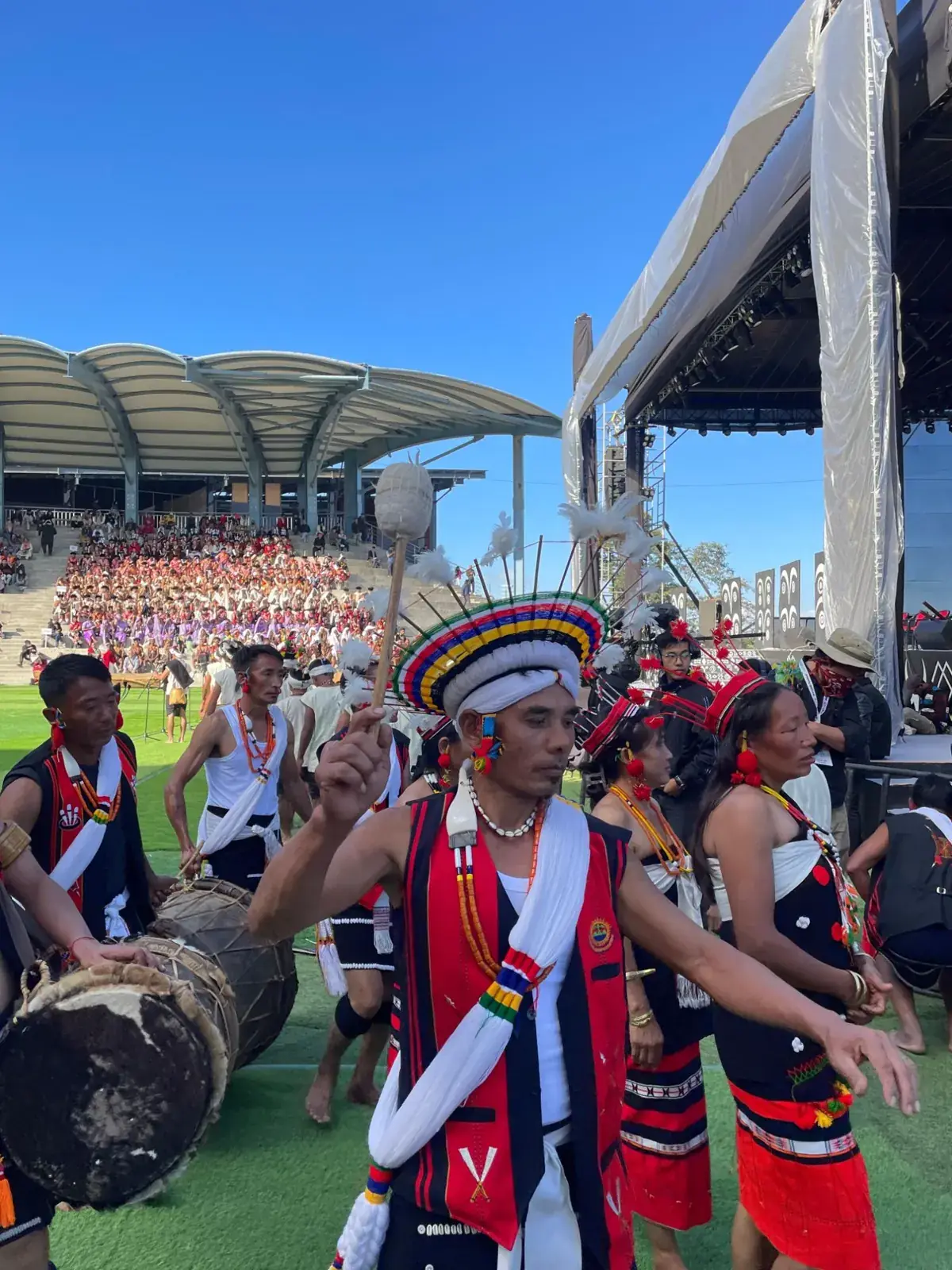 Festival Guide
Nagaland
9 min read · November 1, 2026
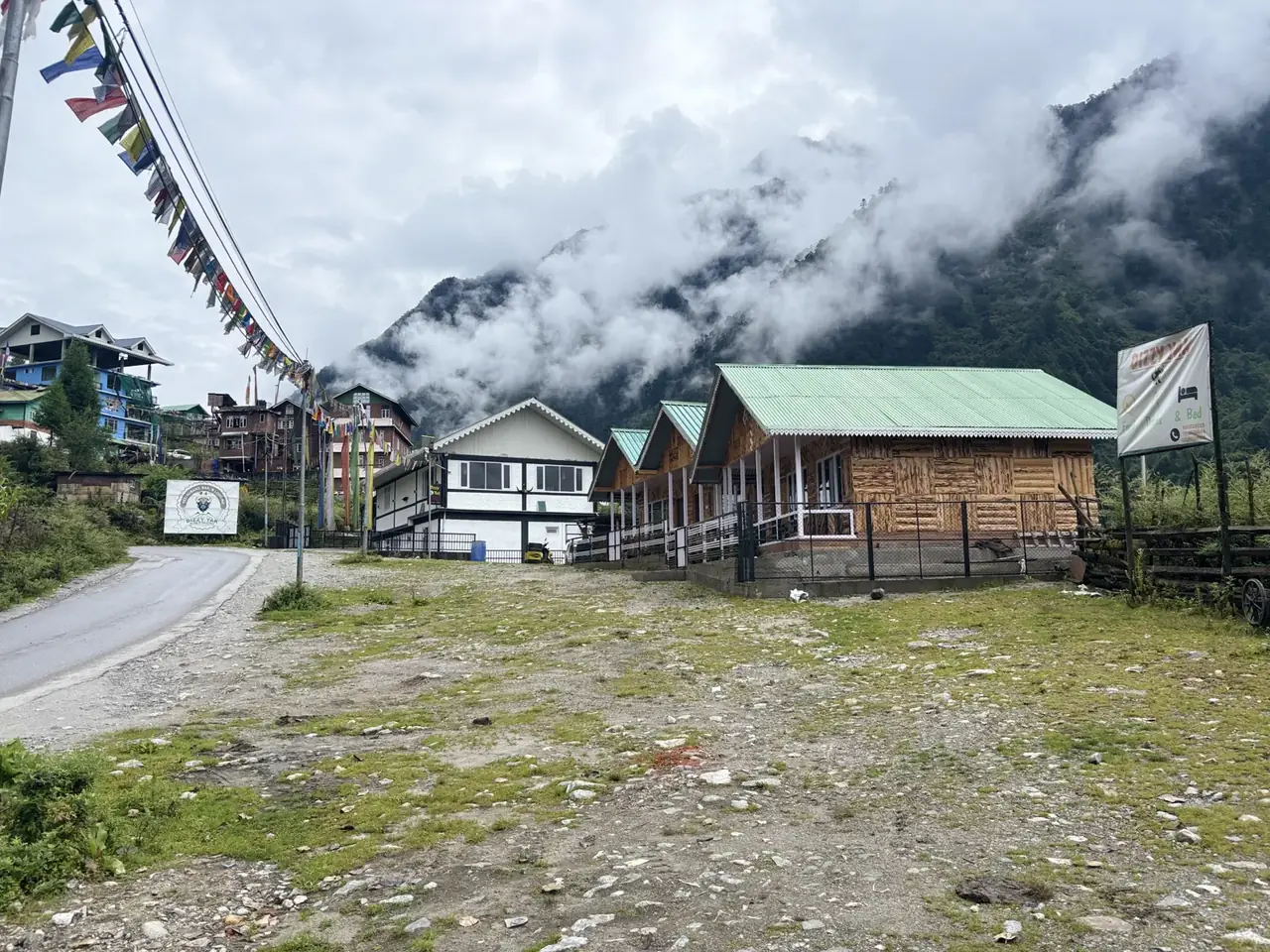 Month Guide

Sikkim
8 min read · November 3, 2026
Most trips start with a ten-minute chat. Tell us where, when and who's coming, and we reply within a few hours.